

Babies communicate from the very beginning.
Before words, babies use cries, movements, their gaze, facial expressions, body language and connection-seeking behaviours to tell us what they need, what they feel, and how they are experiencing the world.
Recently, we invited families and HOPE Practitioners to collaborate on a simple but powerful reflective activity: “Listening to Your Baby.”
The reflection encouraged both parents and practitioners to slow down and notice:
- What is my baby showing me?
- What might they be feeling or needing?
- How am I responding?
- What happens when their voice is heard?
Listening to babies and young children is more than observation — it is participation, contribution, upholding children’s rights, and fostering positive relationships.
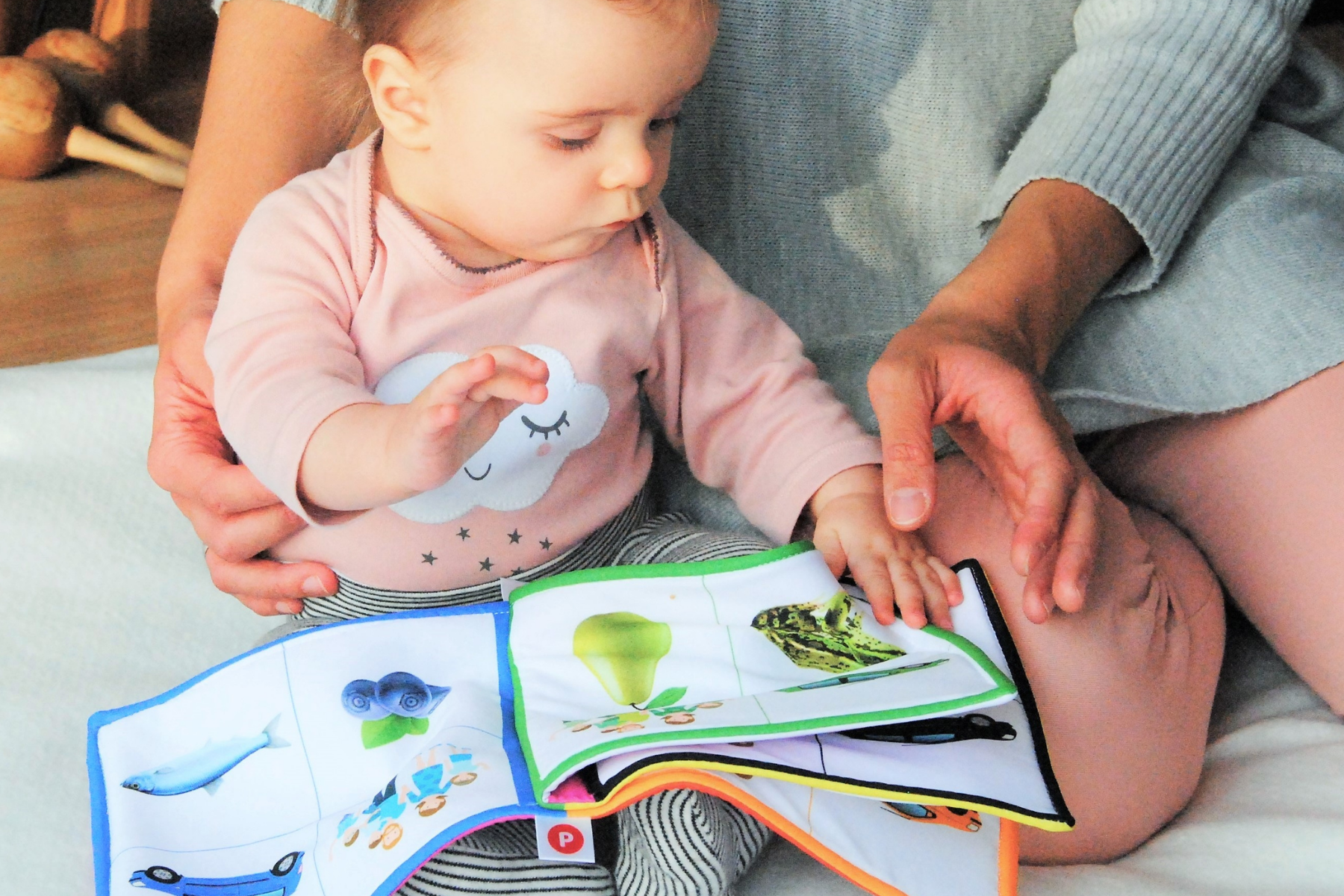
The Convention on the Rights of the Child recognises children’s right to express their views and have those views taken seriously (Article 12), alongside the right to development (Article 6), protection (Article 19) and the highest attainable standard of health, including mental health (Article 24).
Infant mental health reminds us that babies’ wellbeing develops within relationships. Their voice is communicated through behaviour, connection, emotion and interaction. When caregiver, supports, and systems notice, listen and respond consistently and sensitively, babies build trust, safety, attachment and the foundations for lifelong social, emotional and mental wellbeing.
Listening to the voices of the youngest in society is powerful. Because every cry, gesture, smile and cuddle carries meaning.
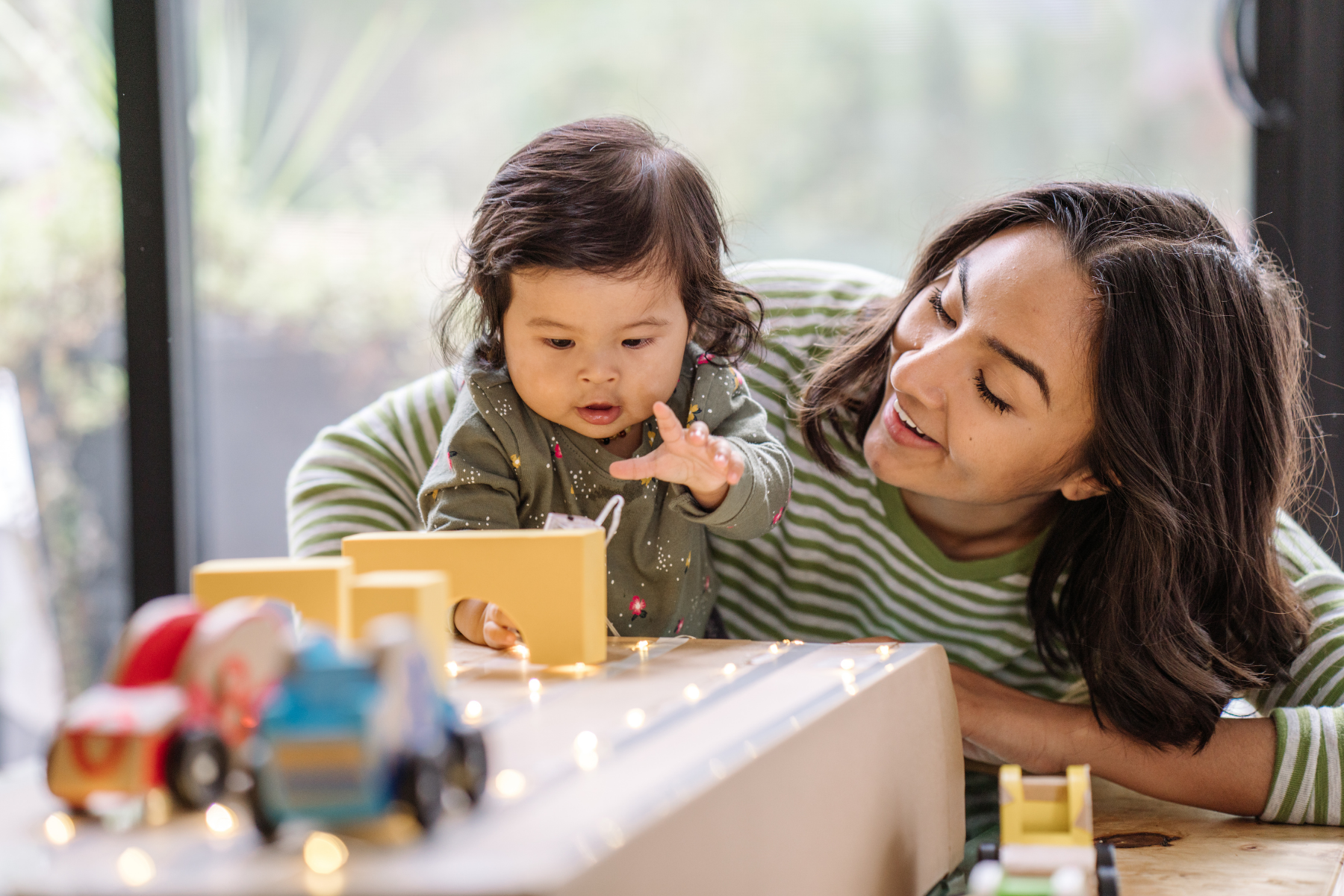
Rationale
Listening to Your Baby is intentionally designed as a rights-based, relational and reflective activity.
The exercise moves beyond developmental milestones and asks adults to engage in attunement, which is noticing the child’s cues, considering meaning, and responding intentionally. This mirrors the infant mental health principle of serve and return interactions, where responsive relationships shape early brain development, emotional regulation and attachment.
The design also operationalises a child-centred and rights-based approach:
- Voice – recognising babies communicate through behaviour, affect, sensory responses, movement and connection.
- Participation – creating opportunities for adults to interpret and respond to those communications.
- Agency – acknowledging babies influence relationships and environments from the beginning.
- Action – ensuring the voices of babies and children lead to responsive care and supports, not only observation.
A key message is that voice does not begin when language begins.
If we only recognise verbal participation (words), we risk overlooking the perspectives of our youngest children. Infant mental health and child participation frameworks increasingly recognise that babies are active social participants and contributors whose experiences, signals and relational needs should influence care giving, service design and decision-making.
Listening to the youngest children is powerful because it shifts us from asking “What is wrong?” to “What is this child communicating?” and “How should we respond?”
That shift sits at the heart of infant mental health, child-centred practice and children’s rights.
Stay tuned over the next few months to see our project in action!
Donate to HOPE
Your support makes a lasting difference. Make a tax deductible donation to help young families thrive through the HOPE Program.


